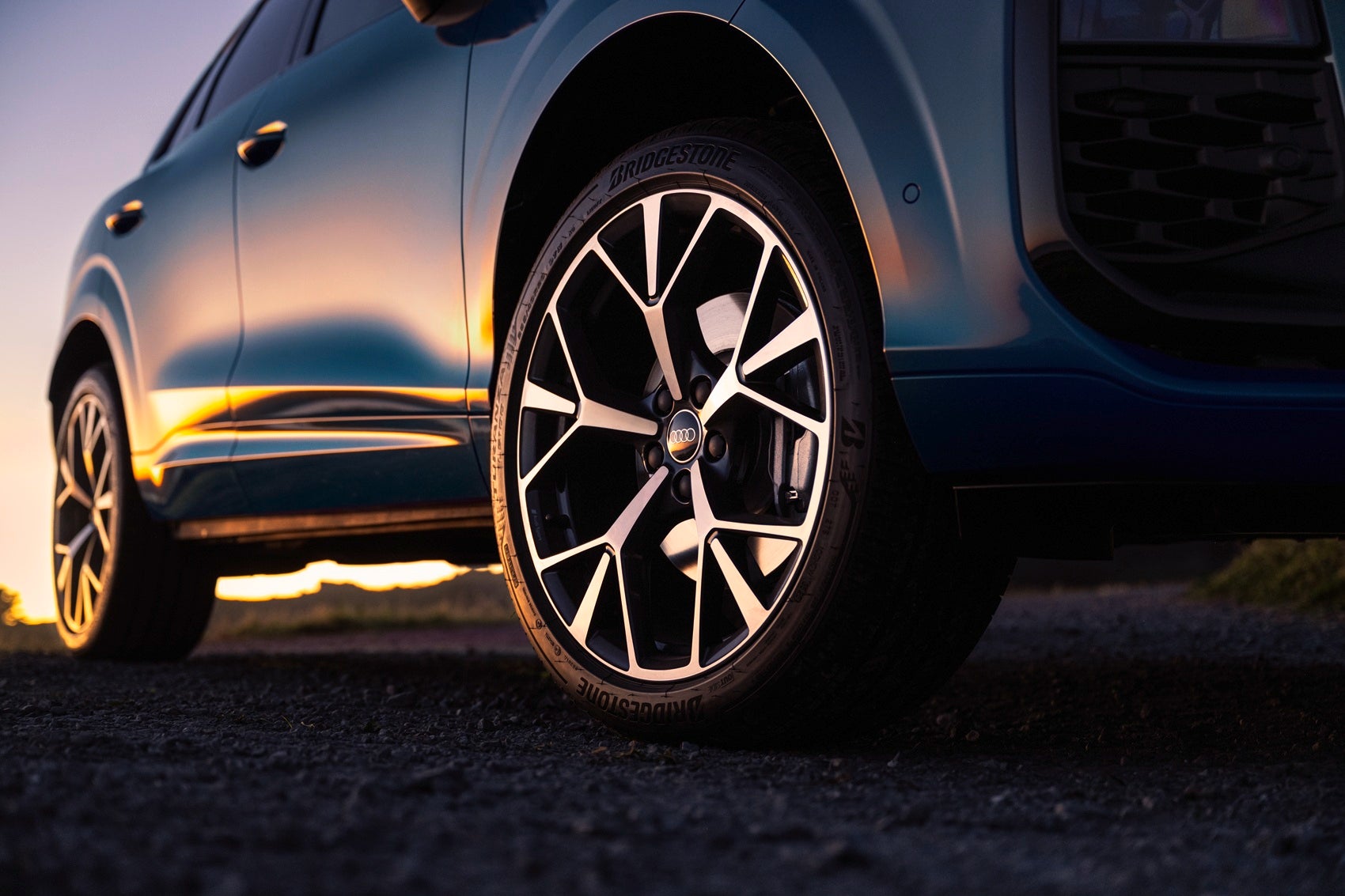
Cold-Weather Grip Below 7°C
Standard all-season rubber starts to harden once temperatures drop below 7°C, reducing traction on icy pavement and packed snow. Winter tires use a specialized formula that stays pliable in freezing conditions, keeping the tread responsive. That flexibility leads to shorter braking distances and steadier control through:
- Slush
- Snowfall
- Black ice
Certified Audi technicians select tread patterns engineered for winter traction, ensuring power reaches the road with accuracy. Our service team brings dedicated training and hands-on experience to every appointment.
Book a visit to get your Q3 equipped before the first frost.
Top-Rated Winter Tire Brands
Equipping your Q3 with Audi Q3 winter packages starts with trusted rubber. Our parts centre stocks premium brands selected for Ontario's harshest conditions, including:
- Yokohama iceGuard
- Goodyear Ultragrip
- Continental Viking Contact 7
- Pirelli Sottozero
Each delivers dependable cold-weather traction across Ontario's winter road surfaces. Drivers who register a complete winter tire and wheel set between November 1 and April 1 may qualify for a winter tire discount through their auto insurer. Hold on to that receipt.
Why Dedicated Winter Wheels Pay Off
A full set of winter wheels paired with seasonal tires eliminates the twice-yearly mounting and balancing process. Rims stay assigned to their season, shielding sidewalls and extending the life of your investment. A complete Audi Q3 winter setup saves time at the start and end of every cold season.
Seasonal upkeep keeps your set performing at its peak. Check air pressure regularly since cold temperatures cause it to drop, and refer to your owner's manual or door-jamb sticker for the correct PSI.
When spring returns, rinse off road salt before storing, since leftover residue can degrade rubber over time. Wrap each tire individually and store them flat in a cool, dry space for the following year.
FAQs
How can you check winter tire tread depth?
Place a Canadian toonie between two sections of tread. If the tread reaches past one-quarter of the coin, the tire retains adequate depth for safe winter driving. Beyond the toonie test, examine each tire for cracks or bald patches, along with any chunks of missing rubber.
Do winter tires help extend the life of other tires?
Absolutely. Swapping to a dedicated winter set during colder months means your all-season or summer tires sit out the harshest driving conditions entirely. That reduced mileage on warm-weather rubber spreads wear more evenly over the full calendar year.
Over several seasons, rotating between dedicated sets can add meaningful life to each tire, making the upfront cost of a second set well worth the investment.
How long do winter tires typically last?
Most quality winter tires perform well for at least five seasons when stored and maintained properly. After that five-season mark, have them inspected annually for tread depth and rubber pliability, along with general condition.
Total lifespan depends on kilometres driven each winter and off-season storage habits, as well as road surfaces encountered. Proper care between seasons helps each set go the distance.
Explore Audi Q3 Winter Tires & Wheel Packages
Audi Newmarket is ready to help your Q3 take on another Ontario winter. Contact our team with any questions about seasonal tire options, wheel packages, or service appointments. We are here to keep your Audi performing at its best through every cold-weather kilometre ahead.
*Source: Michelin
Audi Newmarket